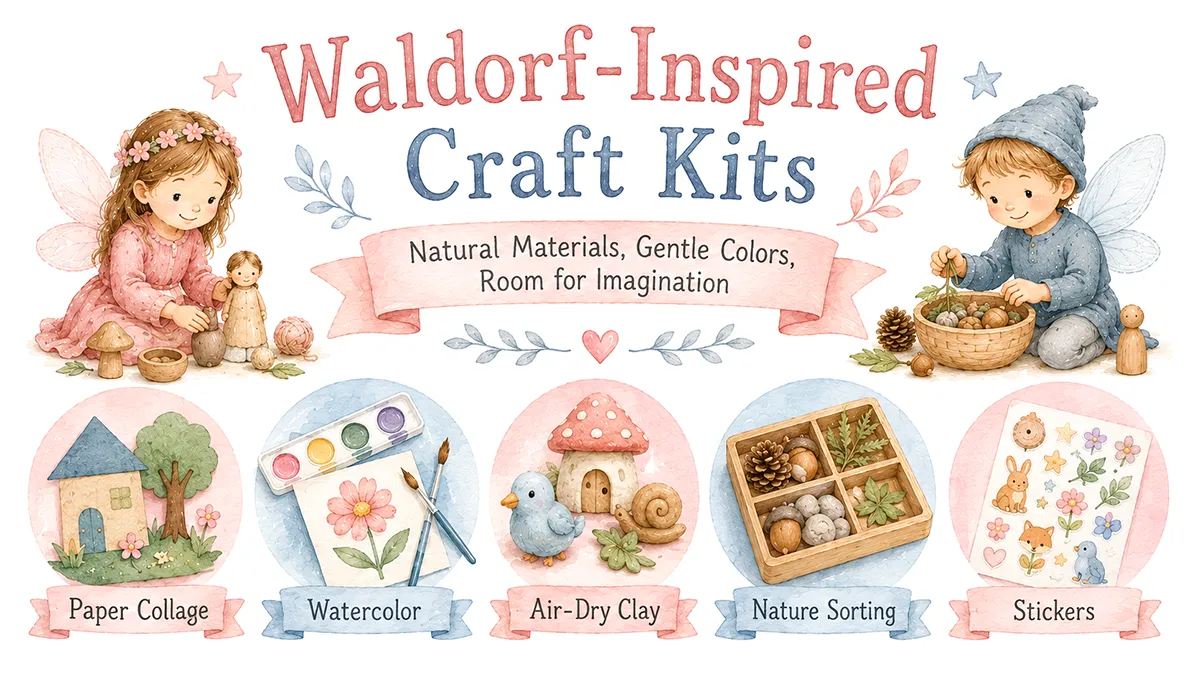
Waldorf-inspired crafts share a few qualities: natural materials, gentle colors, room for imagination, and a sense that the work itself matters as much as the outcome. These are the kinds of kits and supplies that fit that approach.
Wool Felting Kits
Felting is the most Waldorf-aligned of the common crafts: pure wool, hand-work, slow making, and beautiful results. Wet felting is gentler for younger kids; needle felting is for ages 7+ with supervision. Look for kits with natural wool roving and undyed or plant-dyed colors.
Makers we like: Sara Setzer Feltworks in Pennsylvania makes a felted soap kit, an easy first try at wet felting for little hands. For kids 7 and up, Bear Creek Felting in North Dakota has needle felting starter kits. Plan on an adult sitting close for those.
Beeswax Modeling
Beeswax modeling is a Waldorf classroom staple. The wax warms in the hands and becomes pliable, kids shape small figures, animals, fruits. The smell is lovely, the material is natural, and the finished pieces are display-worthy.
Makers we like: Beeswax Candle Company in San Juan Capistrano, California, has been hand making beeswax candles since 2006. Their Advent candle making kit is a lovely way to start a winter tradition.
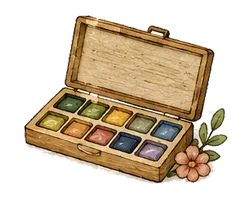
Watercolor Sets with Block Paints
Wet-on-wet watercolor painting is the Waldorf painting method: soft, blended, dreamlike. Look for a limited palette (often just three primary colors), real watercolor paper, and good brushes. The simplicity is the point.
Makers we like: Palumba in Michigan makes the classic Waldorf painting setup in the USA: smooth painting boards, wooden paint jar holders, and wide watercolor brushes. They don’t sell paint, so add a simple set of the three primary colors.

Wooden Building and Craft Kits
Unfinished wood (blocks, animal figures, ornaments, simple structures) fits the Waldorf preference for natural materials and open-ended play. Add a small set of paints or leave them plain. Either way the wood feels good in the hand and lasts for years.
Makers we like: Cedar Oaks in Mississippi makes maple peg people, blank and ready for paint, sold in family-size sets. Ink and Trinket Kids in Florida sells peg doll animals for kids to paint.

Seasonal Nature Craft Kits
Seasonal celebration and nature observation are central to the Waldorf approach. Look for kits tied to the seasons: pressed flower bookmarks in spring, leaf and acorn crafts in fall, beeswax candles or felted ornaments in winter.

How We Choose
- Real materials over throwaway plastic
- Clear enough instructions to start, loose enough to improvise
- Age-appropriate tools
- Projects kids can actually finish
- Room for the child to make it their own
- Reasonable setup and cleanup

Frequently Asked Questions
What makes a craft kit Waldorf-inspired?
Natural materials (wool, beeswax, wood), gentle colors, simple forms, seasonal themes, and an emphasis on hand-work and process over result. Plastic and screens are usually avoided.
What is wet-on-wet watercolor?
A Waldorf painting method where the paper is wet first, then paint is applied. Colors bleed and blend in soft, dreamlike ways. Typically uses only three primary colors at a time.
Are beeswax modeling sticks worth it?
Yes, especially for ages 4 and up. The wax warms in the hands and becomes pliable. The smell is lovely, the material is natural, and the small finished figures are display-worthy. A single set lasts for years.

Keep Browsing
- Best Craft Kits for Kids Ages 3-12: main buying guide
- Shop Favorites: picks by craft type
- Crafts by Age: full age breakdown
- Screen-Free Craft Ideas for Rainy Days: projects without a kit
Safety Notes
- Small beads and small parts are not safe for children who still put things in their mouths. Save them for ages 5+.
- Needle felting requires close adult supervision. Felting needles are sharp and barbed.
- Woodworking kits should match the child age and tool experience. Adult help with cutting, drilling, and finishing.
- Hot glue is adult-help territory at every age.
- Acrylic paint stains. Protect surfaces and clothes.
- Always check the manufacturer age guidance on the package.
Get the free Fairy Marketplace Craft Book
14 beautiful one-page craft tutorials, from nature weaving to cardboard box towns. Plus our favorite new craft ideas and free printables a few times a season.
No spam, ever. Unsubscribe any time.
Check your inbox! Your craft book is on the way. (Give it a few minutes, and peek in the spam folder just in case.)