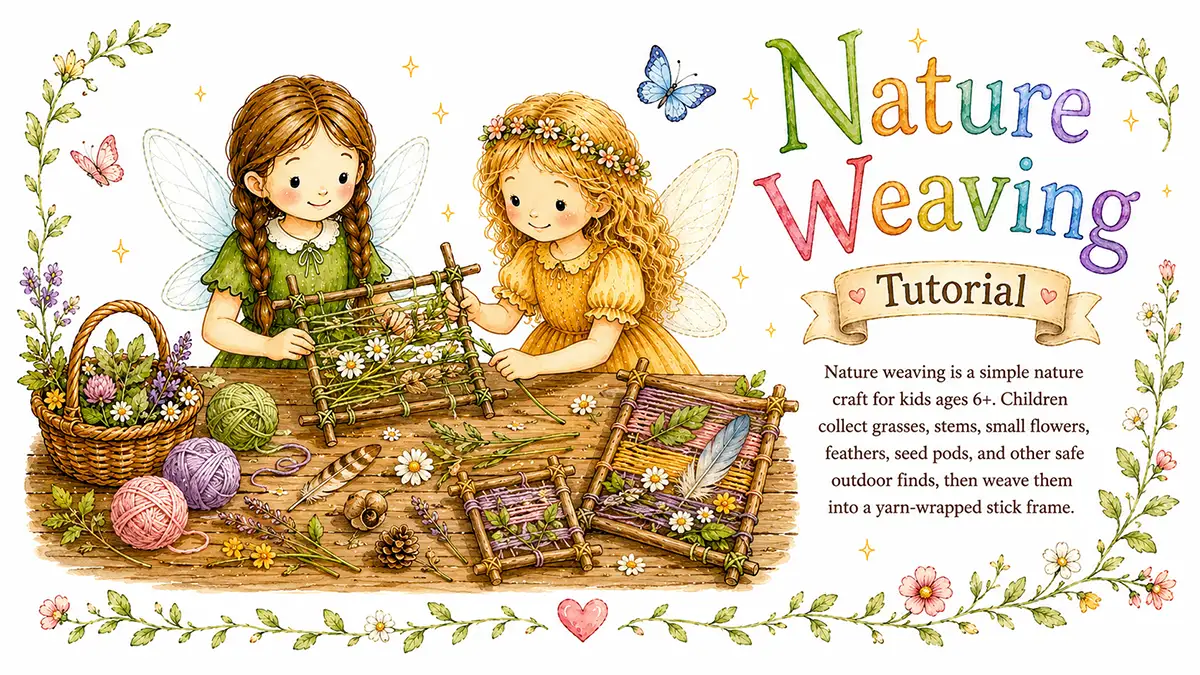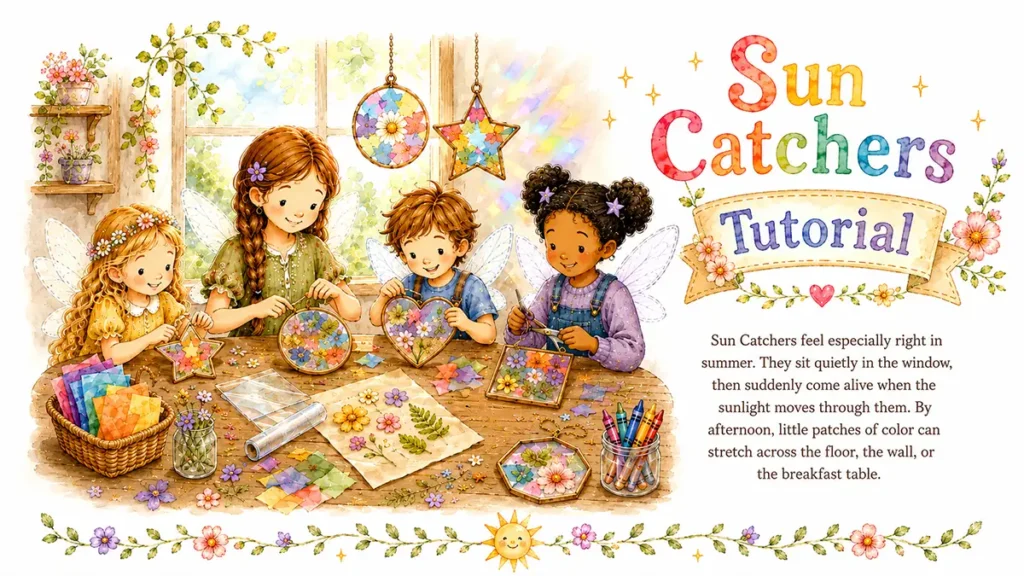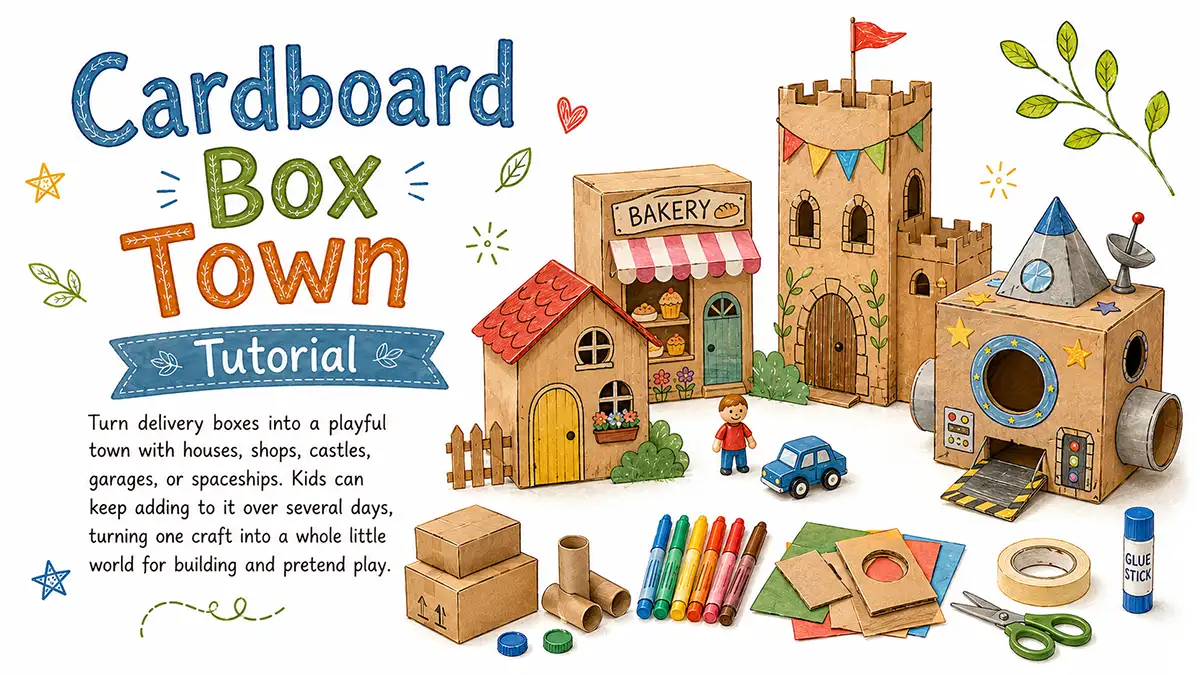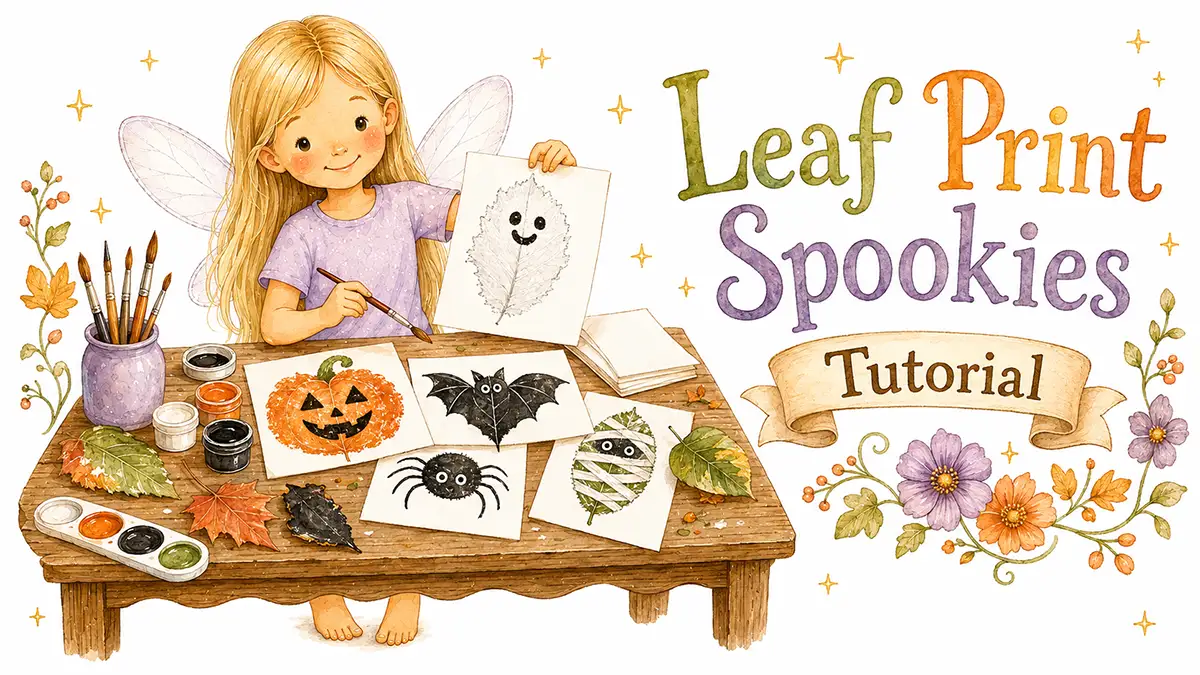
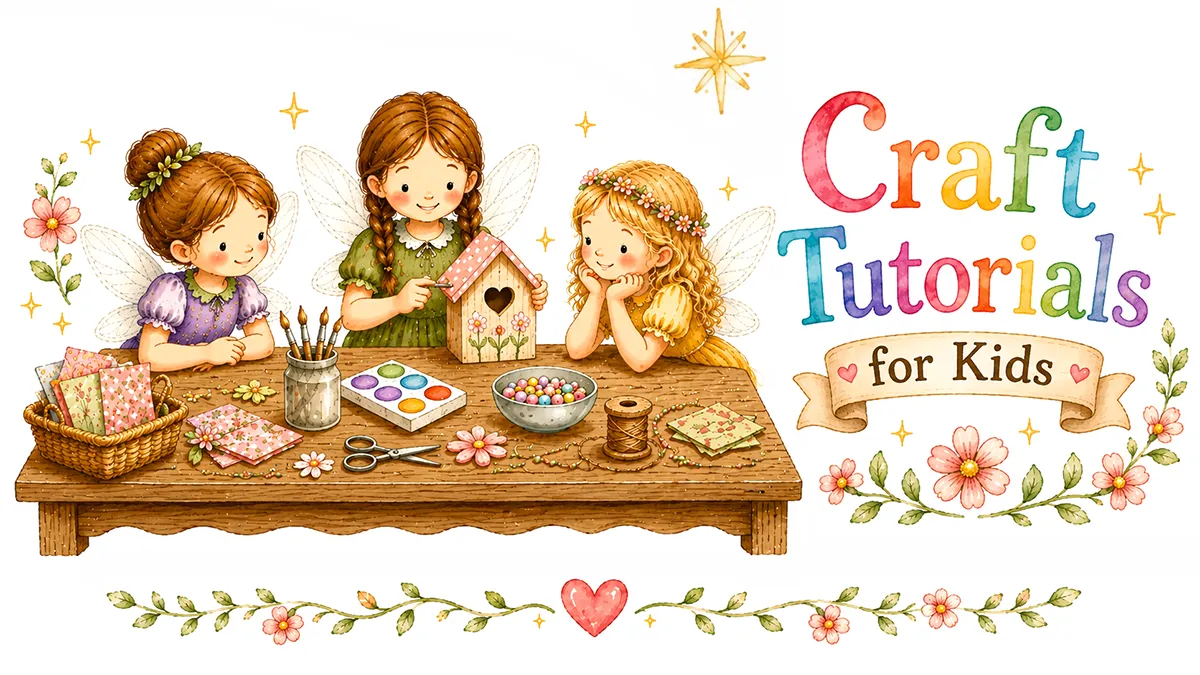
Fairy teaching craft tutorials for kids to two two fairies at a crafting table.

Craft Tutorials

These craft tutorials for kids are for parents and caregivers of kids ages 3-12 who want hands-on, screen-free crafting that uses real materials and produces something worth keeping. Each one is short, simple, and designed to feel calm — not chaotic.

Crafting is not just about creating; it’s about fostering creativity, improving fine motor skills, and encouraging problem-solving. Engaging in hands-on activities can significantly boost a child’s confidence and promote self-expression. These craft tutorials for kids will provide a wide array of opportunities for kids to explore their artistic sides while having fun. Not only do they help in stimulating imagination, but they also serve as a wonderful bonding experience for families.

The tutorials encompass various themes and seasons, allowing kids to create crafts that align with holidays or nature. For instance, creating holiday decorations can introduce kids to the traditions behind those celebrations, while nature crafts encourage exploration and appreciation of the environment. This meld of education and creativity reinforces learning in a playful manner.

As you navigate through our library of craft tutorials, you’ll find that each craft not only comes with a clear description but also an estimated time, age range, and the level of mess involved. This allows you to make informed decisions that best fit your schedule and your child’s preferences. Moreover, the variety ensures that even if one craft doesn’t resonate, countless others will be waiting to be explored.

Each tutorial is crafted with simplicity in mind to ensure that children and parents can enjoy the experience together. The steps are designed to be easy to follow, making it possible for children to feel accomplished after completing a project. This sense of achievement can be incredibly beneficial for their development.

The library leans Waldorf-inspired: natural materials, gentle pacing, room for imagination. But you do not need to subscribe to any philosophy to use them. Pick one that fits your day, your kid’s mood, and the mess level you can handle.

Use the filters below to find a tutorial that fits, or scroll through the full grid. Each card tells you the age range, time, materials, and mess level upfront.

How Our Tutorials Work

  • Quick meta line: every tutorial tells you the age, time, material, and mess level at a glance
  • Real materials list: just what you actually need — no twenty-item supply runs
  • Simple steps: 3-5 instructions a kid can follow with light adult help
  • Variations: ways to make it easier for younger kids or richer for older ones
Books of craft tutorials for kids.

Craft Tutorials for Kids

Pressed-Flower Bookmarks

Ages: 5+
Material: Natural, paper
Mess Level: Low-Mess
Season: Spring, Summer, Autumn
Time: 15+ min

Pick small flowers, press them in a heavy book for a week, then glue to cardstock and trim into a giftable bookmark.
Pressed-Flower Tutorial

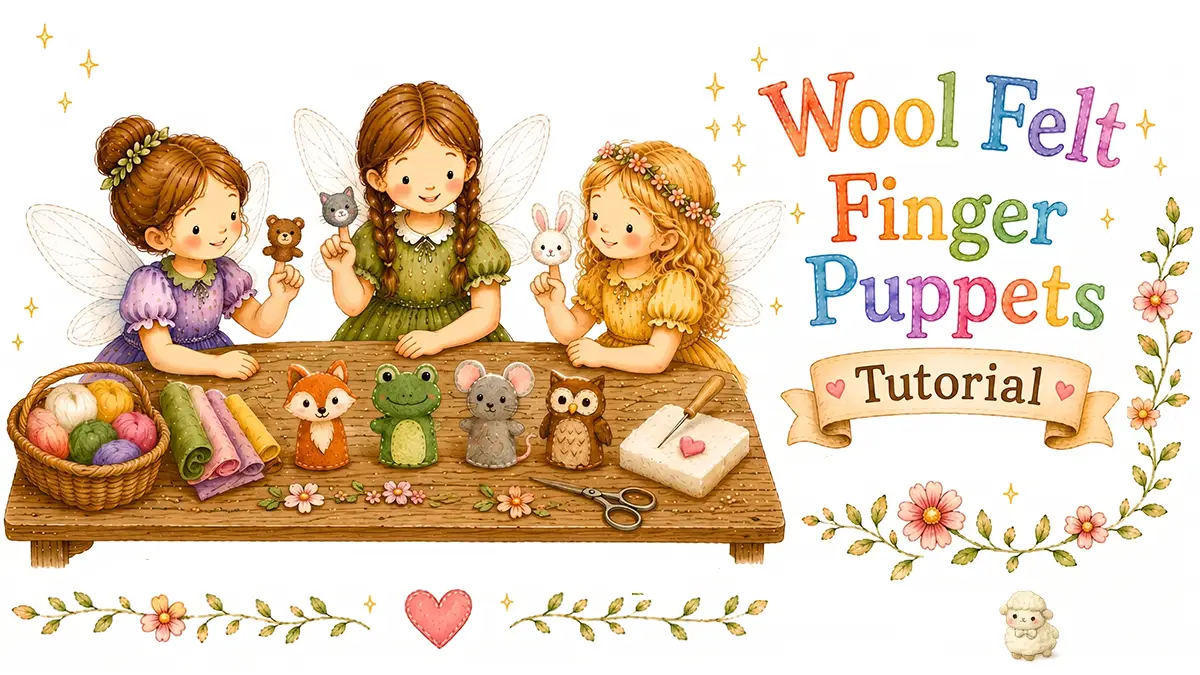
Wool Felt Finger Puppets

Ages: 6+
Material: Felt, yarn
Mess Level: Low-Mess
Season: Any
Time: 30+ min

Stitch tiny characters from felt scraps for storytelling, quiet play, or a homemade gift.

Felt Finger Puppet Tutorial

Paper-Bag Fairy Houses

Ages: 4+
Material: Paper, foraged natural
Mess Level: Low-Mess
Season: Spring, Summer, Autumn
Time: 30+ min

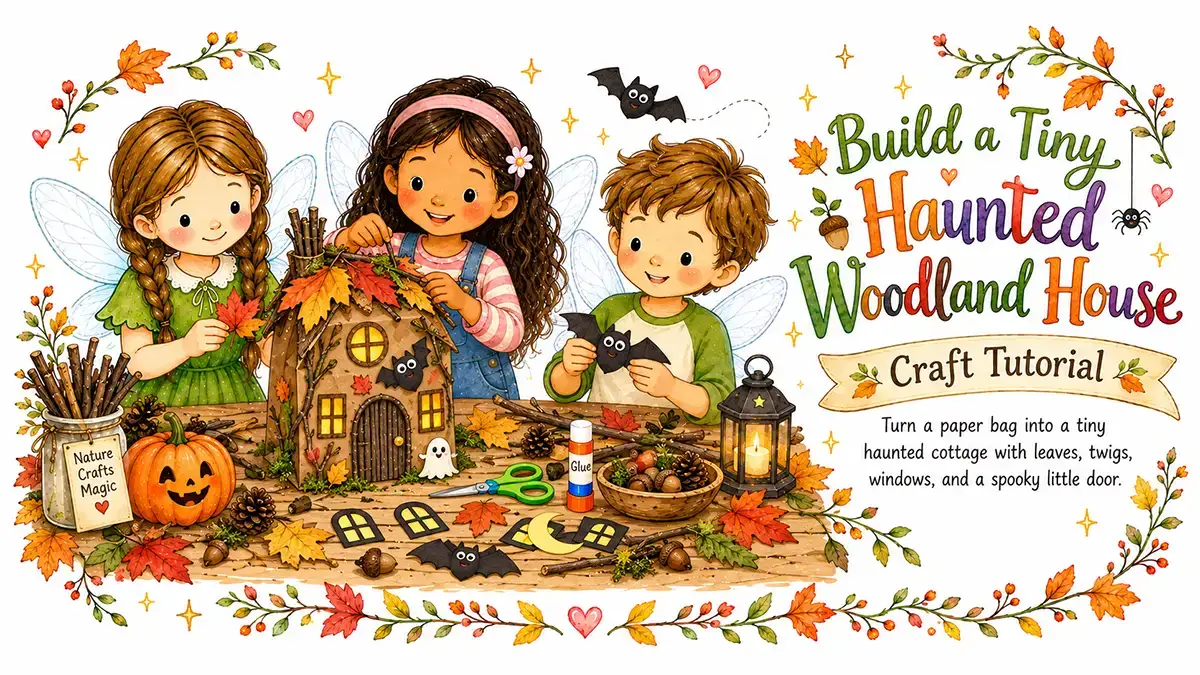
Turn a small paper bag into a tiny home with cut windows, a door, and woodland details — moss, leaves, twigs.
Paper-Bag Fairy House Tutorial

When you start with these tutorials, remember that the process of creating is often more important than the final product. Encourage your children to explore their creativity, make mistakes, and learn from them. This is an essential part of the crafting journey that contributes to their personal growth.

Need Supplies?

If you do not have the basics on hand, start with our supply guides:

Pressed-Flower Bookmarks can serve as a beautiful way to celebrate nature’s beauty. Consider discussing the different types of flowers used and why they were chosen. This can lead to conversations about plants and their role in our ecosystem, making the crafting experience even more enriching.

Children can learn about the importance of patience while waiting for flowers to dry. This is a perfect opportunity to discuss the concept of time and how certain things require waiting to achieve beautiful results.

Frequently Asked Questions

What age are these tutorials for?

Wool Felt Finger Puppets can become a delightful storytelling tool. After creating their puppets, children can put on a puppet show for family members. This adds an interactive dimension to the activity and encourages teamwork and communication skills.

In addition, kids can personalize their puppets with specific characters or stories they love, infusing more of their personality into the craft. This not only boosts their creativity but also helps them connect emotionally to their creations.

Kids ages 3-12. Each tutorial card lists a recommended age range — some are best for preschoolers, some for older kids. Younger kids usually need more adult help with materials and steps.

What supplies do I need?

Paper-Bag Fairy Houses can spark imaginative play. After crafting, children can use these fairy houses in their playtime scenarios, exploring themes of adventure, friendship, and creativity. They can even draw or write stories about the fairies that inhabit these houses, blending crafting with literacy.

Encourage them to foray outside to gather natural materials to decorate their fairy houses, reinforcing their connection to the environment. This can also serve as a casual lesson on ecology and the importance of respecting nature.

Most tutorials use basic supplies you can keep on hand: cardstock, watercolor paper, washable paint, glue, scissors, felt, yarn, and natural materials from outside. See our home craft supplies guide for what to stock.

To enrich the crafting experience further, consider organizing themed crafting days with friends or family. This social aspect can elevate the fun and create lasting memories, turning crafting into a cherished family tradition.

During these crafting sessions, consider integrating storytelling or discussions about the crafts’ history or cultural significance, adding an educational twist to the fun.

Do you sell craft kits?

We do not sell directly — we point you to kits we trust on Amazon and soon other shops. Browse our buying guides by age 3-5, age 6-8, age 9-12, or by situation: low-mess, rainy-day, Waldorf-inspired.

How long does each tutorial take?

Most are 15-30 minutes of active work. Some have drying or setting time after — like air-dry clay or pressed flowers — but the hands-on portion stays short enough to fit a kid’s attention span.

Additionally, you can encourage kids to create their own versions of the tutorials. This sparks their creativity and gives them ownership over their projects, fostering independence and innovation.

This flexibility allows even the shyest of kids to express themselves and builds their self-esteem as they see their unique ideas come to life.

Are these screen-free?

A great way to wrap up a crafting session is by showcasing the completed projects. This not only gives kids a chance to show off their work but also allows them to practice presentation skills and receive positive feedback.

Yes. Every tutorial is designed to be done with real materials in real time — no apps, no videos required. If you want context on the screen-free, hands-on approach, read our guide to Waldorf-inspired crafting.

knit teddy bear illustration

Keep Browsing

Finally, remember that the goal of these craft tutorials for kids is to instill a love for creating. It’s not about perfection; it’s about enjoyment, exploration, and the joy of making something with your own hands. Encourage kids to take pride in their work, regardless of the outcome.

Scroll to Top