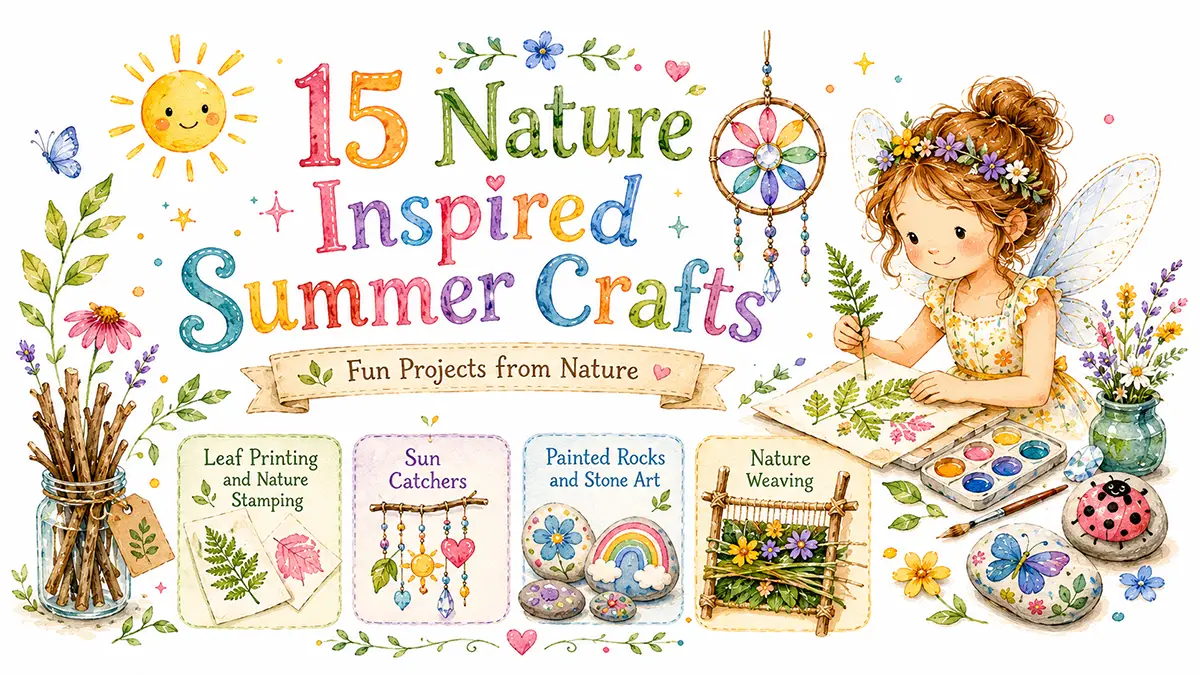
There is something about summer that makes children more willing to slow down and make things. Maybe it is the long unhurried evenings, the freedom from routines, or the way the season itself feels full of color and texture. Whatever the reason, summer is one of the best times of year to sit down and make something together.
These Nature Inspired Summer Crafts offer delightful ways for families to engage with the beauty of the season.
Each project is designed to embrace the natural world, making these Nature Inspired Summer Crafts a perfect fit for creative minds.
The crafts in this guide lean into the season. They use what you find outside, they celebrate the light and warmth, and they give children of all ages a way to hold onto something they made with their own hands before the season turns.
Most of these crafts work best when you bring them outside. A shady spot in the garden, a picnic blanket on the lawn, or even a table near an open window makes everything feel more summery and more relaxed.
Leaf Printing and Nature Stamping
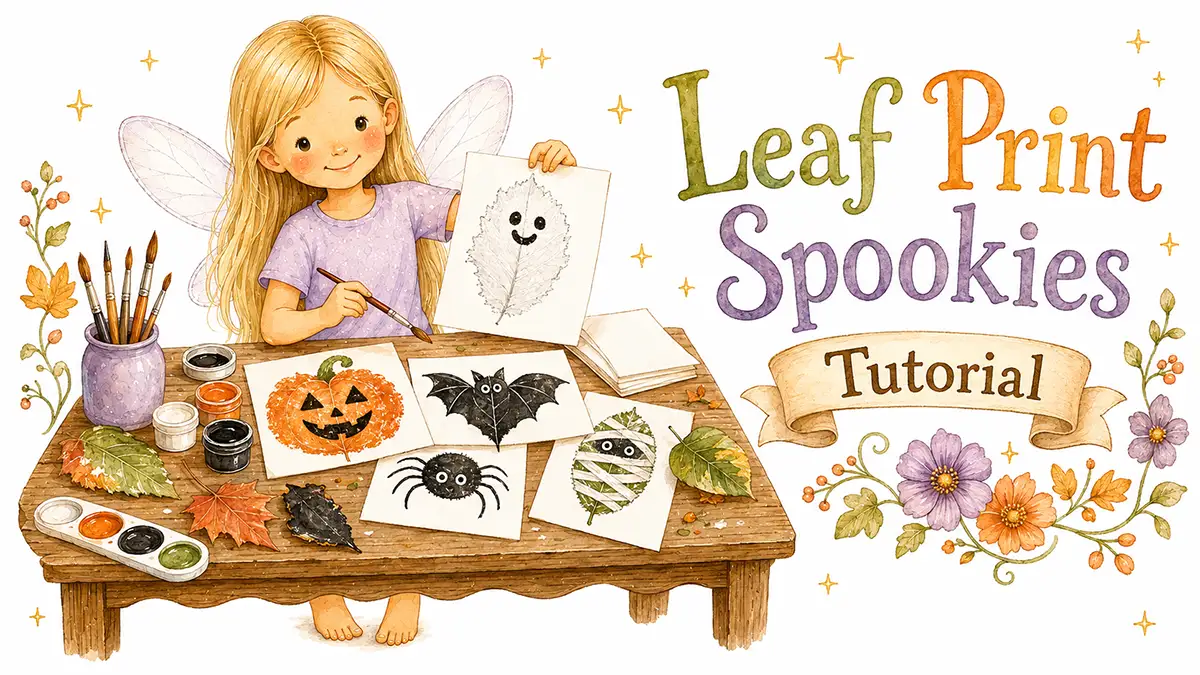
Leaf printing is one of those crafts that works beautifully for a three-year-old and still holds the interest of a ten-year-old. The idea is simple: paint the underside of a leaf, press it onto paper, and lift it away to reveal a perfect print of the veins and edges.
- Ages: 3+
- Active time: 20 minutes
- Additional time: Yes. Drying time 30 minutes
- Materials: Fresh leaves, acrylic or washable paint, foam brush or sponge, thick paper or cardstock
- Mess level: Low to medium
- Best for: Nature walks, quiet afternoons, rainy-day craft tables
- Why kids enjoy it: Children like the surprise of seeing the leaf shapes appear on paper. It is quiet, quick to start, and works well with leaves gathered on a walk.
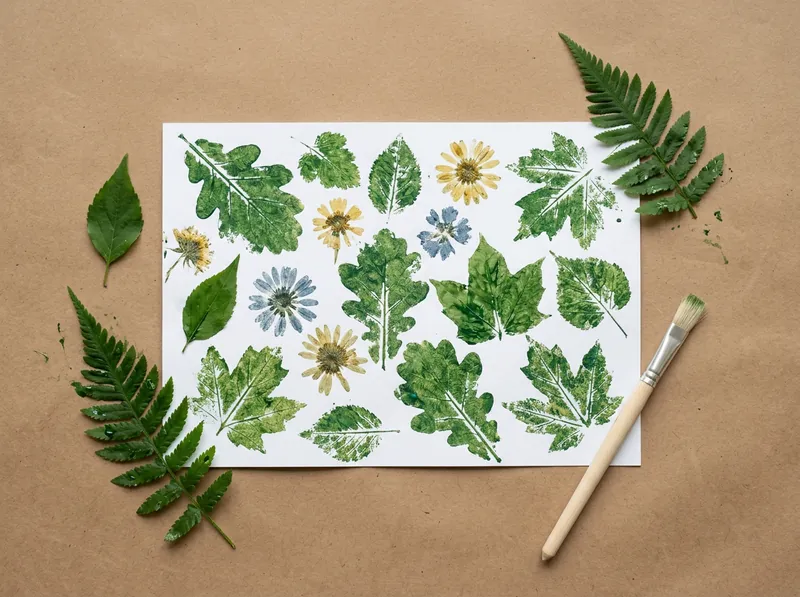
Summer leaves tend to be at their fullest, which makes this the ideal season for it. Look for leaves with interesting shapes. Ferns, oak, maple, and large garden leaves all print well. Children can make repeating patterns, build up a collection of local leaves, or create imaginary botanicals by layering prints in unexpected colors.
Related tutorial: Leaf Printing and Nature Stamping
Sun Catchers
Sun catchers feel especially right in summer because they change throughout the day as the sunlight moves. Hung in a window, they cast coloured shapes across the room and give children something simple to watch and notice.
Ages: 3+
Active time: 30 minutes
Additional time: None
Materials: Clear contact paper, tissue paper, scissors, pressed flowers or leaves, tape or string for hanging
Optional older-kid version: Crayons, pencil sharpener, parchment paper, towel, iron for adult use only
Mess level: Low
Best for: Quiet afternoons, rainy-day craft tables
Why kids enjoy it: Their artwork changes when the light hits it.
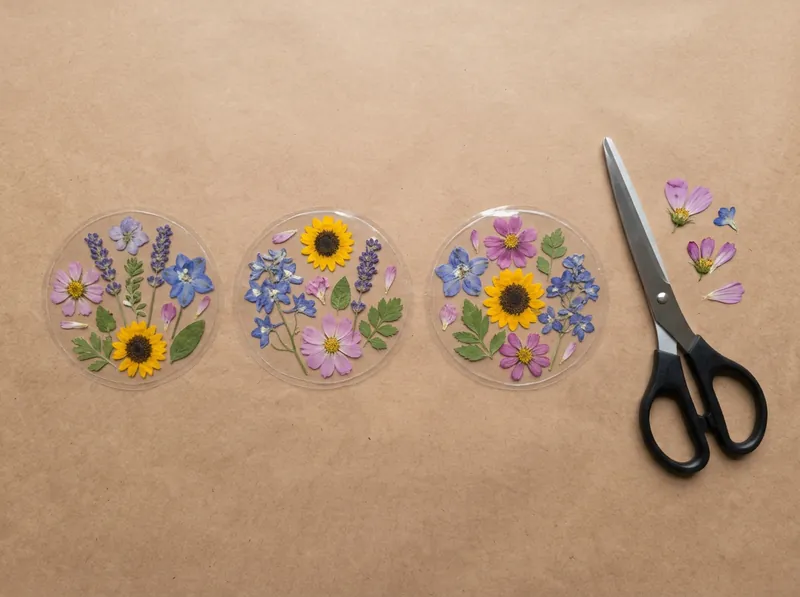
For younger children, tissue paper sun catchers are wonderfully simple. Tear or cut small pieces of coloured tissue paper and layer them onto clear contact paper. Add pressed flowers or leaves if you have them. Seal with a second sheet of contact paper, trim the edges, and hang it in a sunny window.
Older children can try a crayon-shaving version. They arrange crayon shavings between sheets of parchment paper, then an adult melts the shavings with a warm iron to create a stained-glass effect.
Explore these Nature Inspired Summer Crafts that are sure to brighten your family’s summer days.
Related tutorial: Sun Catchers
Painted Rocks and Stone Art
Gathering smooth stones from a beach, riverbank, or garden path is itself a satisfying summer activity. What children do with them afterward can go in many directions: painted animals, tiny landscapes, kindness stones to leave for others, or a collection of miniature scenes arranged on a windowsill.
- Ages: 3+
- Active time: 20 minutes
- Additional time: Yes. Drying time 1-2 hours
- Materials: Smooth rocks, acrylic or washable paint, brushes, Mod Podge or clear varnish
- Mess level: Low to medium
- Best for: Quiet afternoons, handmade gifts, nature walks
- Why kids enjoy it: The solid surface feels different from paper, and the finished rocks can be set on a shelf, placed in a garden, or given as a small gift.
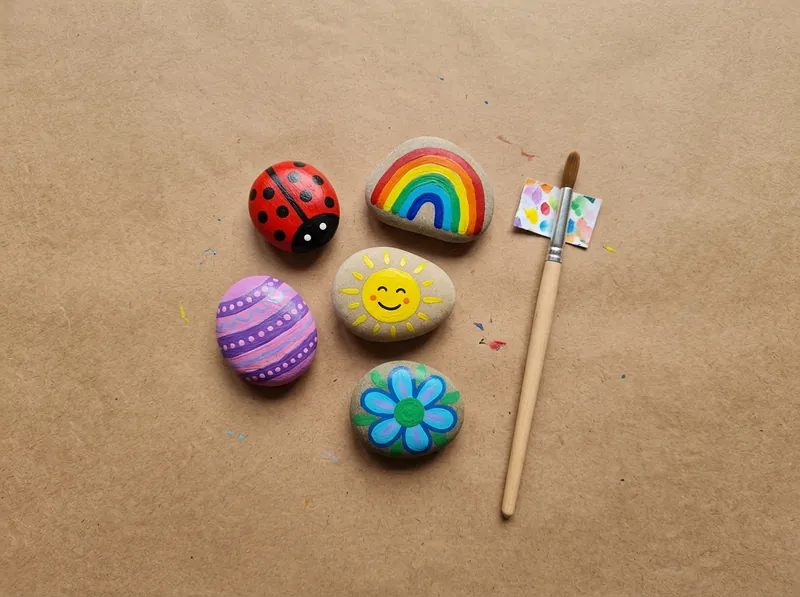
Acrylic paint works best on stone because it dries quickly and stays vibrant. A thin coat of Mod Podge or clear varnish over the finished stone protects the painting and gives it a polished look. Younger children enjoy covering the whole stone in bold colors; older children often want to paint something detailed and small.
Related tutorial: Painted Rocks and Stone Art
Nature Weaving
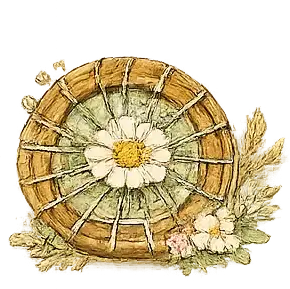
Nature weaving combines foraging and making in a way that feels very much of the season. The basic idea is to tie two or more sticks together in a cross, triangle or rectangle frame shape, wrap yarn between the outer points to create a warp, and then weave in whatever natural materials your child collects: grasses, stems, small flowers, feathers, seed pods, strips of bark.
- Ages: 6+
- Active time: 30 minutes
- Additional time: No
- Materials: Sticks, yarn, natural materials such as grasses, flowers, feathers, and seed pods
- Mess level: Low
- Best for: Quiet afternoons, nature walks
- Why kids enjoy it: It combines foraging and making in a way that feels very much of the season. Children can keep adding to it all summer as they find new things.
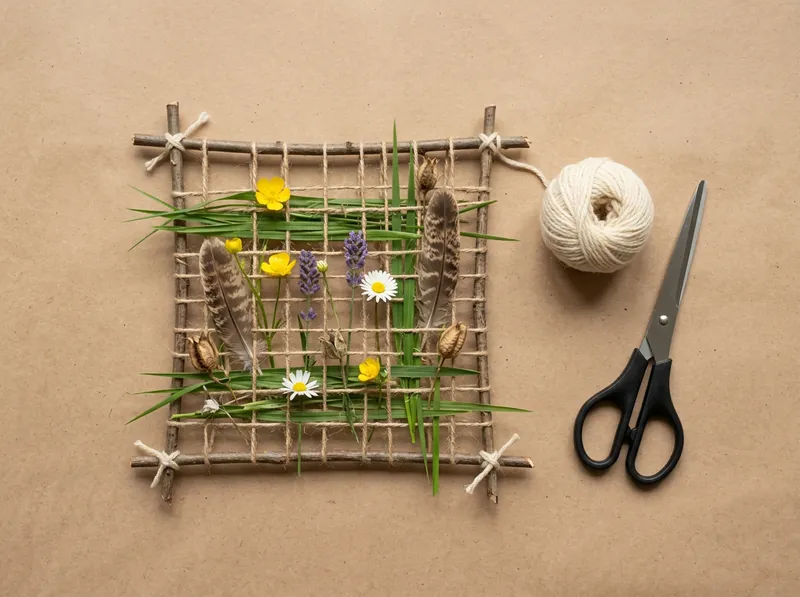
The finished piece looks like a loose, organic textile. Some children treat it as a functional object; others keep adding to it all summer, weaving in new finds as they come across them. Older children can make more structured versions using a simple cardboard loom, working in regular rows and creating striped patterns.
Related tutorial: Nature Weaving
Watercolor Painting Outdoors
Watercolor paints and summer go together naturally. The medium is forgiving, it dries quickly in warm air, and the translucent colors suit the soft light of long summer days. Setting up a small painting station outside gives children a reason to sit still and look closely at what is around them.
- Ages: 3+
- Active time: 20 minutes
- Additional time: No
- Materials: Watercolor paints, paper, brush, water, a board or flat surface
- Mess level: Low to medium
- Best for: Quiet afternoons, rainy-day craft tables
- Why kids enjoy it: The medium is forgiving, dries quickly in warm air, and the translucent colours suit the soft light of long summer days.
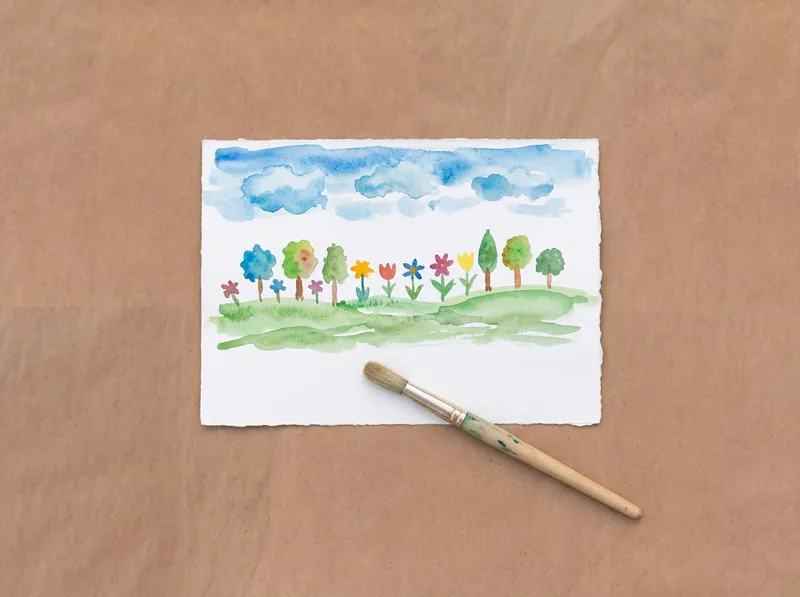
Encourage children to paint what they can actually see rather than working from imagination. A simple prompt for any age: “Paint just one thing you can see from where you are sitting.” The constraint helps children focus and usually produces more interesting results than an open brief.
Related tutorial: Watercolor Painting Outdoors
Driftwood Mobiles
If your summer includes any time near the water, shell and driftwood mobiles are one of the best crafts to bring home from it. The collecting is part of the making. Children who gather shells and smooth pieces of driftwood with a project in mind tend to be more thoughtful about what they pick up.
- Ages: 6+
- Active time: 30 minutes
- Additional time: No
- Materials: Shells, driftwood, thin twine or fishing line, drill or hole punch
- Mess level: Low
- Best for: Quiet afternoons, handmade gifts
- Why kids enjoy it: The collecting is part of the making. The finished mobile holds the memory of wherever the materials came from.
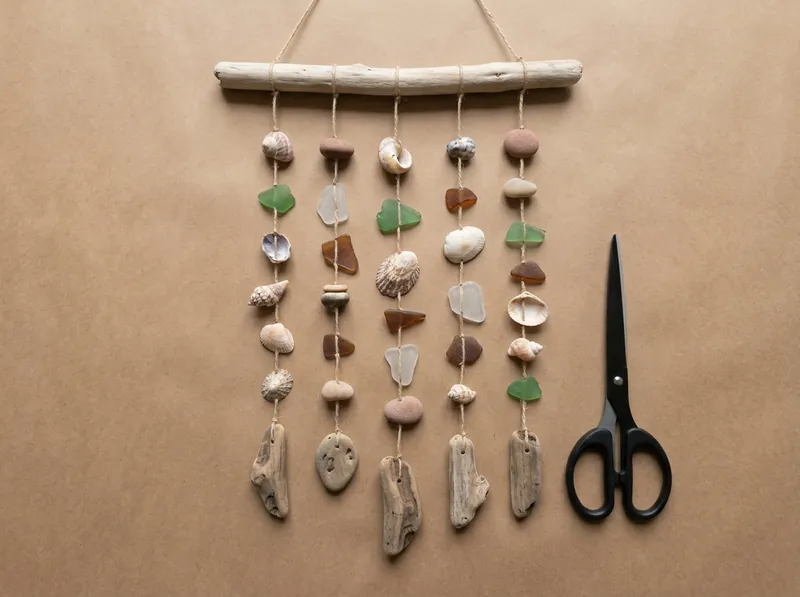
Back at home, the construction is simple: drill or pierce small holes in the shells, thread them onto lengths of thin twine or fishing line, and tie the lines at different lengths to a piece of driftwood. For children who did not collect shells on a trip, craft shops stock small natural shells inexpensively.
Related tutorial: Driftwood Mobiles
Pressed Flower Art
Pressing flowers is one of those quietly absorbing summer activities that rewards patience. Children gather blooms, arrange them between sheets of absorbent paper, press them under a heavy stack of books, and wait. A week later they open the pages to find perfectly flat, papery flowers in faded, beautiful colors.
- Ages: 6+
- Active time: 20 minutes
- Additional time: Yes. Pressing time about 1 week
- Materials: Fresh flowers, absorbent paper, heavy books, card or frames, contact paper
- Mess level: Low
- Best for: Quiet afternoons, nature walks, handmade gifts
- Why kids enjoy it: Opening the pages to find perfectly flat, papery flowers in faded, beautiful colours is a genuine surprise every time.
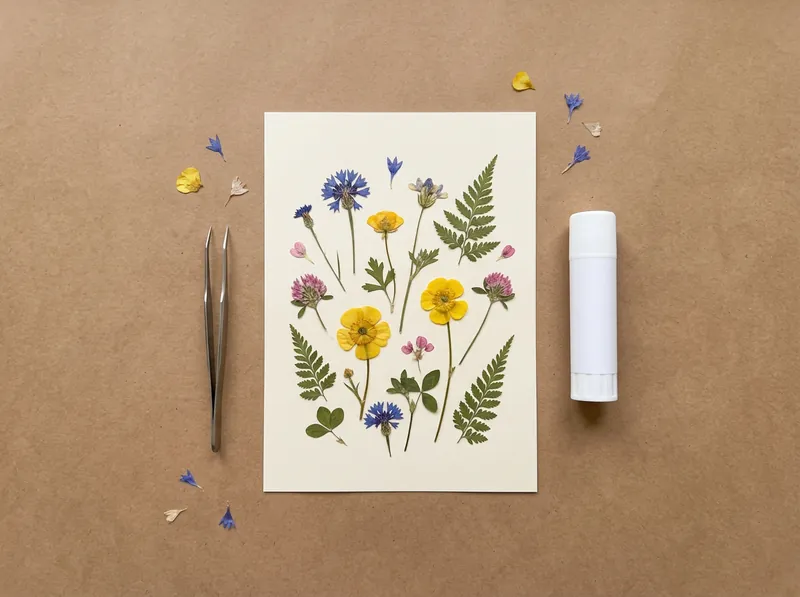
What presses well: Pansies, violas, daisies, clover, ferns, and flat single-petal flowers are the easiest to start with. Pressed flowers can be arranged on card, layered inside glass frames, glued onto bookmarks, or used in sun catchers.
Natural Dyeing and Tie Dye
Dyeing fabric with natural materials is one of those crafts that feels almost magical. Children can dye cotton fabric or old white t-shirts using berries, onion skins, turmeric, or avocado pits and skins, each producing a different soft, natural color.
- Ages: 6+ (Requires adult supervision for hot water)
- Active time: 45 minutes
- Additional time: Yes. 1 hour simmering, plus several hours for soaking and drying.
- Materials: 100% cotton fabric, natural dye materials, water, rubber bands, salt or white vinegar (to set the dye), and a stainless steel pot.
- Mess level: Medium to High (Warning: Turmeric permanently stains porous surfaces and hands).
- Best for: Rainy day craft tables, science lessons, and handmade gifts.
- Why kids enjoy it: The color that comes out depends on the water, the fabric, and the soak time. It is never quite the same twice.
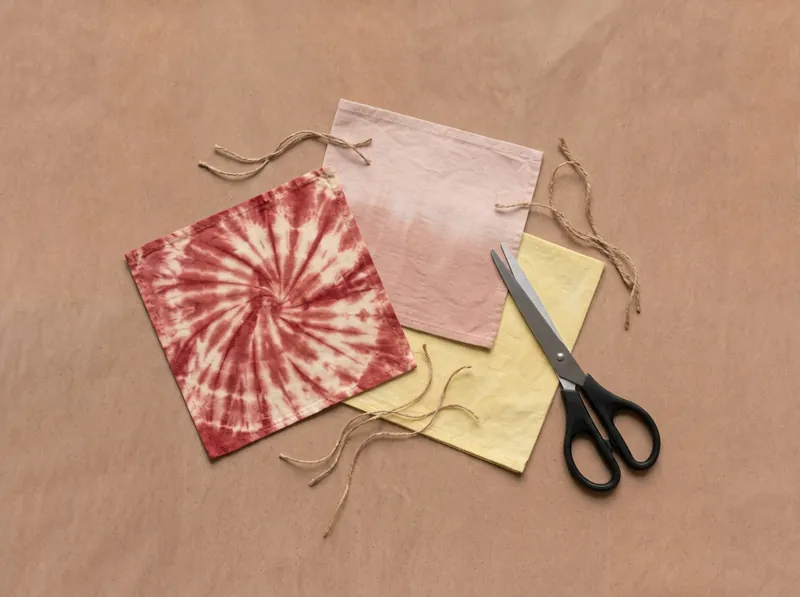
Easy natural dyes to try: Yellow onion skins give a warm golden color. Turmeric gives a bright yellow. Avocado pits and skins, simmered for an hour, produce a surprising dusty pink. All work best on natural fibers like cotton or linen.
- Yellow Onion Skins: Produce a warm golden color.
- Turmeric: Produces a bright yellow.
- Avocado Pits and Skins: Simmered for an hour, they produce a surprising dusty pink.
(Note: All dyes work best on 100% natural fibers like cotton or linen and require a salt or vinegar pre-soak to prevent fading.)
Related tutorial: Natural Dyeing and Tie Dye
Twig and Stick Frames
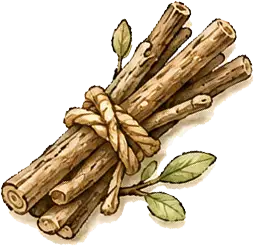
Twig frames are a satisfying summer craft that uses almost nothing bought. Children collect four similar sticks on a walk, lash them together at the corners with yarn or twine, and use the finished frame to display a drawing, a pressed flower arrangement, or a photograph from the summer.
- Ages: 6+
- Active time: 20 minutes
- Additional time: No
- Materials: Four similar sticks, yarn or twine, scissors
- Mess level: Low
- Best for: Quiet afternoons, handmade gifts, nature walks
- Why kids enjoy it: A slightly uneven twig frame on a bedroom wall has a character that no bought frame can match. It pairs especially well with watercolour painting outdoors.
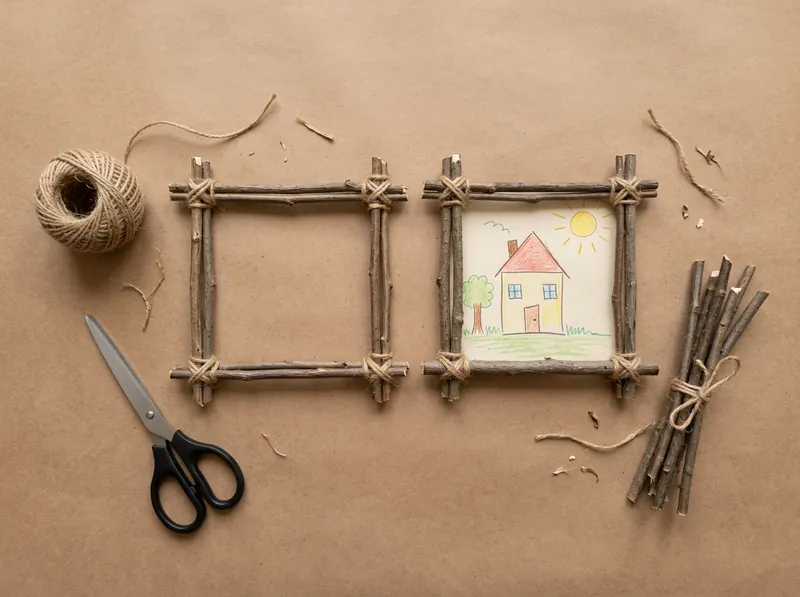
The lashing itself is a genuinely useful skill. Younger children can do a simple wrap and knot with a little help; older children can try a proper diagonal lashing, which holds the corners square and looks neat.
Clay Nature Impressions
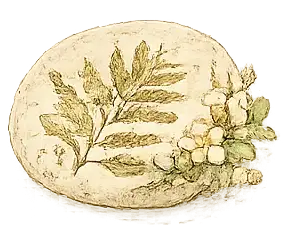
Air-dry clay and a collection of natural materials make for one of the most tactile and satisfying summer crafts. Children press leaves, flowers, seed heads, feathers, or shells into a flat piece of clay to leave detailed impressions, then let the clay dry into a keepsake tile, dish, or hanging decoration.
- Ages: 3+
- Active time: 20 minutes
- Additional time: Yes. Drying time about 1 week
- Materials: Air-dry clay, natural finds, paper, glue
- Mess level: Low to medium
- Best for: Quiet afternoons, nature walks, handmade gifts, rainy-day craft tables
- Why kids enjoy it: The fine veins of a leaf or the ridges of a shell pressed into pale clay come out with surprising detail. Children are often genuinely amazed by what appears.
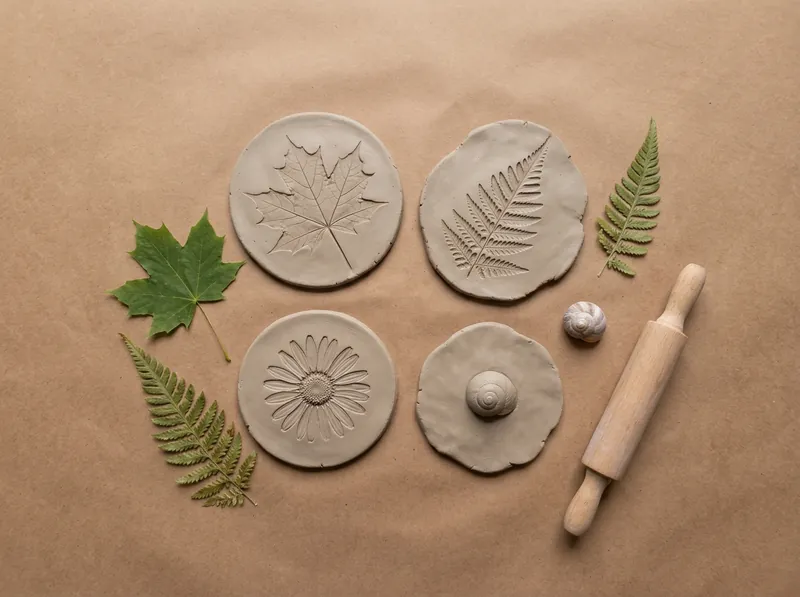
A simple guide for even thickness: place two pencils on either side of the clay and roll across them. The results are often genuinely beautiful and make wonderful keepsakes from a walk or beach trip.
Flower Crowns and Nature Jewelry
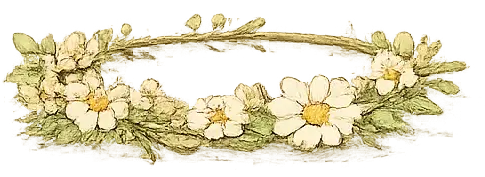
Making wearable things from flowers and foliage is a summer tradition in many cultures. Flower crowns, clover chain bracelets, seed bead necklaces, and leaf garlands are quick to make, use only what is growing nearby, and give children something to wear and show off immediately.
- Ages: 6+
- Active time: 20 minutes
- Additional time: No
- Materials: Flowers, stems, wire or pipe cleaners, twine
- Mess level: Low
- Best for: Nature walks, quiet afternoons, handmade gifts
- Why kids enjoy it: Children can wear and show off what they made immediately. It works especially well in groups where children naturally share flowers and help each other.
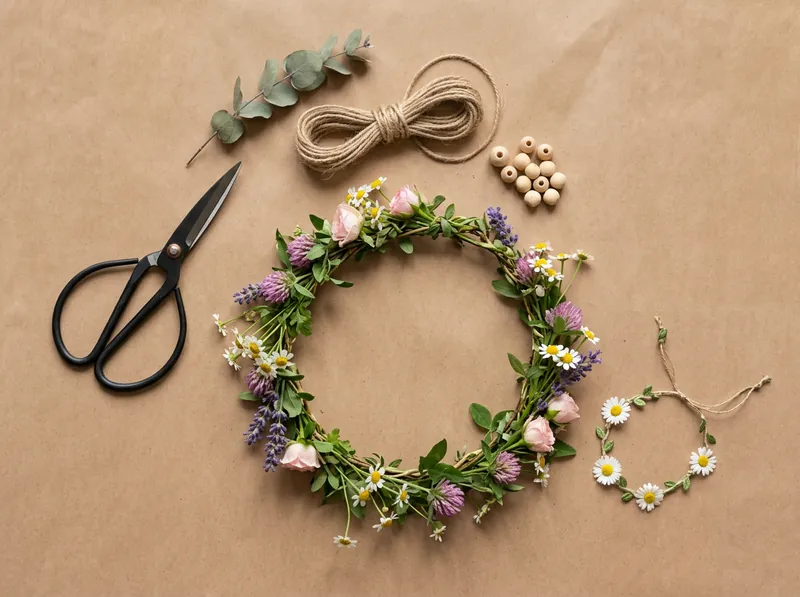
These crafts work especially well in groups. Children naturally help each other, share flowers, and end up wearing matching crowns, which makes them a good choice for summer gatherings or outdoor birthday parties.
Related tutorial: Flower Crowns and Nature Jewelry
Nature Collage
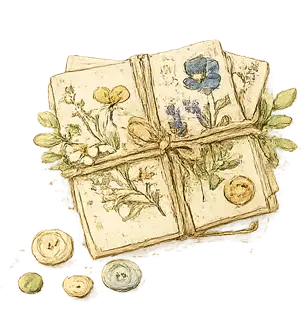
Nature collage is one of the most open-ended summer crafts there is. Children collect fallen items on a walk — leaves, petals, grass, small twigs, seed pods — then arrange them into a picture or pattern on cardboard. The sorting and placing is itself a form of careful, unhurried looking.
- Ages: 3+
- Active time: 20 minutes
- Additional time: Yes. Drying time 1-2 hours
- Materials: Cardboard or thick paper, glue stick or white glue, leaves, petals, grass, small twigs
- Mess level: Low
- Best for: Nature walks, quiet afternoons, rainy-day craft tables
- Why kids enjoy it: Children can sort, place, and rearrange natural pieces before gluing anything down. It gives them time to notice textures and colours they might otherwise walk past.
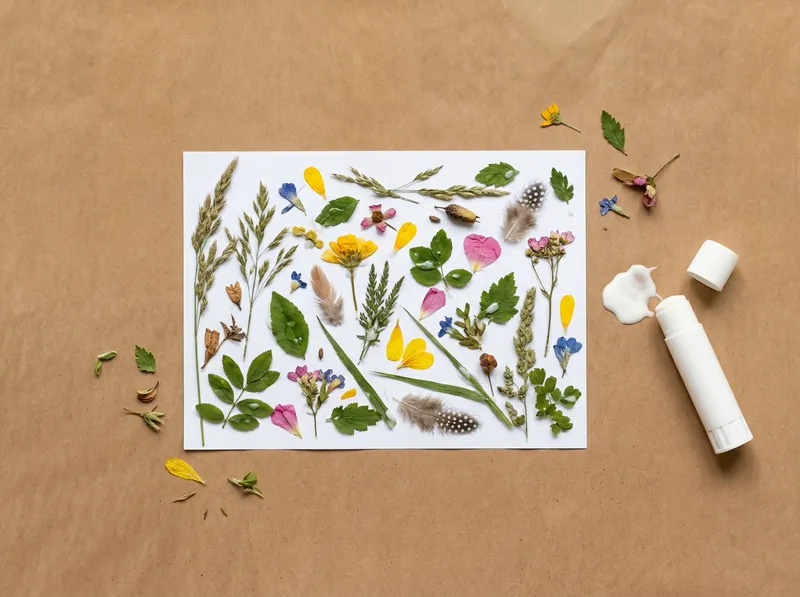
Press the pieces gently into glue and leave the collage flat to dry. There is no right way to make one, which means every collage looks genuinely different.
Watercolor Salt Painting
Watercolor salt painting produces results children find genuinely surprising. Salt changes how watercolor spreads, drawing the pigment into patterns that look almost alive. No two paintings ever come out the same.
- Ages: 6+
- Active time: 20 minutes
- Additional time: Yes. Drying time 30 minutes
- Materials: Thick paper, white glue, table salt, watercolor paints, brush
- Mess level: Low to medium
- Best for: Quiet afternoons, rainy-day craft tables
- Why kids enjoy it: The salt changes how the paint spreads, so children can watch colours move in interesting ways. No two paintings ever come out the same.
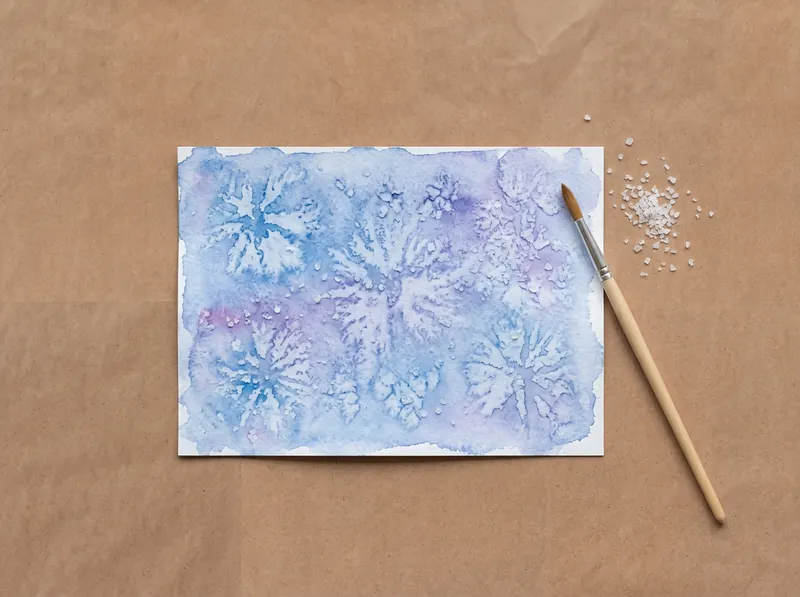
Draw a simple shape with glue, sprinkle salt over it, and tap off the extra. Brush watercolor onto the salt and watch it spread through the lines. The effect works especially well with blues and greens.
Yarn-Wrapped Sticks
Yarn-wrapped sticks are one of the simplest and most satisfying crafts for summer afternoons. Children choose a sturdy stick found on a walk, then wind yarn around it in bands of color. The repetitive wrapping motion is calming, the results look lovely, and the finished sticks can be displayed, used as wands, or woven into a nature weaving.
- Ages: 3+
- Active time: 20 minutes
- Additional time: No
- Materials: Clean sticks, yarn or string, scissors
- Mess level: Low
- Best for: Quiet afternoons, nature walks
- Why kids enjoy it: Wrapping yarn around a stick is repetitive in a satisfying way. The finished piece can be held, displayed, or used in imaginative play.
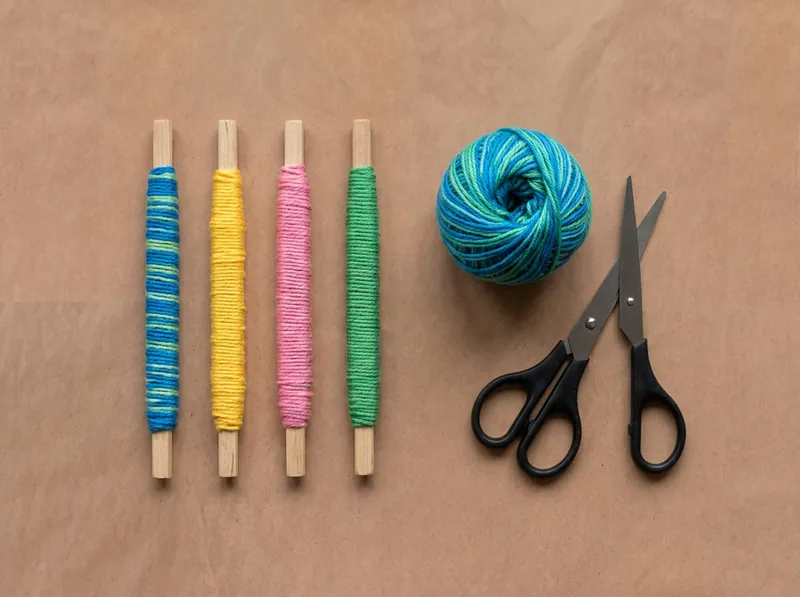
Wind yarn around the stick in bands or mixed colors. This is a calm project that uses very little mess and only a few supplies. Wrapped sticks pair naturally with nature weaving and make excellent border pieces for a woven frame.
Pebble Story Path
A pebble story path combines making and storytelling in a way that is hard to find in a single craft. Children collect small pebbles, arrange them into a trail, picture, or sequence of scenes on paper or in a tray, then use the stones to tell a story.
- Ages: 6+
- Active time: 30 minutes
- Additional time: No
- Materials: Small pebbles, paper, markers, glue, optional tray or box lid
- Mess level: Low
- Best for: Quiet afternoons, rainy-day craft tables
- Why kids enjoy it: It combines making and storytelling. Children can arrange stones into a trail or sequence of scenes and then talk through what happens next.
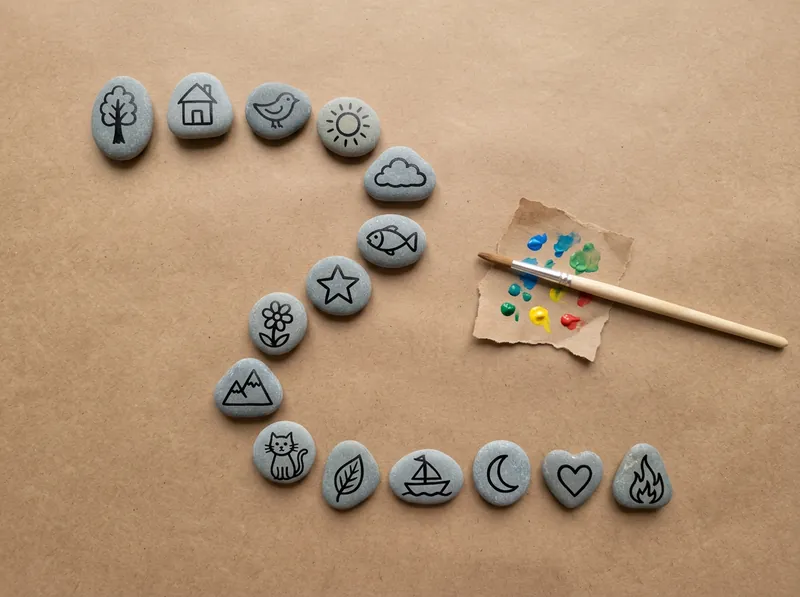
Draw labels or small background details around the stones, then glue them in place to keep the scene. This works well as an individual project or a collaborative one where different children build different parts of a story path and join them together.
A few things that make summer crafting easier
Summer crafts tend to work best when the setup is light and the materials are easy to reach. A basket near the back door with a few basics — paint, brushes, paper, scissors, glue — means children can start making without asking for help getting set up. The crafts they choose themselves, on their own terms, are often the ones they spend the most time on.
It also helps to keep a small collecting bag or tray for natural materials found on walks. Pressed flowers, interesting leaves, seed pods, and feathers are all useful later. The act of gathering them is its own form of careful, unhurried looking.
Get the free Fairy Marketplace Craft Book
14 beautiful one-page craft tutorials, from nature weaving to cardboard box towns. Plus our favorite new craft ideas and free printables a few times a season.
No spam, ever. Unsubscribe any time.
Check your inbox! Your craft book is on the way. (Give it a few minutes, and peek in the spam folder just in case.)