Fall hands kids an art supply that changes every week. Leaves turn, shadows stretch across the yard, and the sky can slide from bright blue to smoky violet before dinner.
These fall art projects work at the kitchen table, on the porch, or wherever your crew likes to spread out. There is printmaking, watercolor, drawing, weaving, knitting, a little wood burning for older kids, and a few harvest decorations that can sit proudly on the shelf all season.
Most projects bend younger or older without a fuss. The best results come from one clear idea, a small pile of materials, and enough room for kids to make their own choices.
Drawing, printing, layering, and blending all build coordination while kids work. Here is why fine motor skills crafts matter for kids.
How to Use This List
Pick one project for a free afternoon. Set everything out on a tray before you announce the plan, show a finished example if you have one, then let them take it their own direction. Almost nothing here needs more than basics you likely have already.
Autumn Sky Watercolor
Paint a wide autumn sky with wet-on-wet watercolor, then add dark tree silhouettes once the paper dries.
- Ages: 6-11
- Active time: 35 minutes
- Materials: Watercolor paper, watercolor paint, brushes, water jars
- Mess level: Medium
- Best for: Color mixing and big dramatic skies
- Why kids enjoy it: They get to paint the sky they actually see out the window, not copy someone else’s picture.
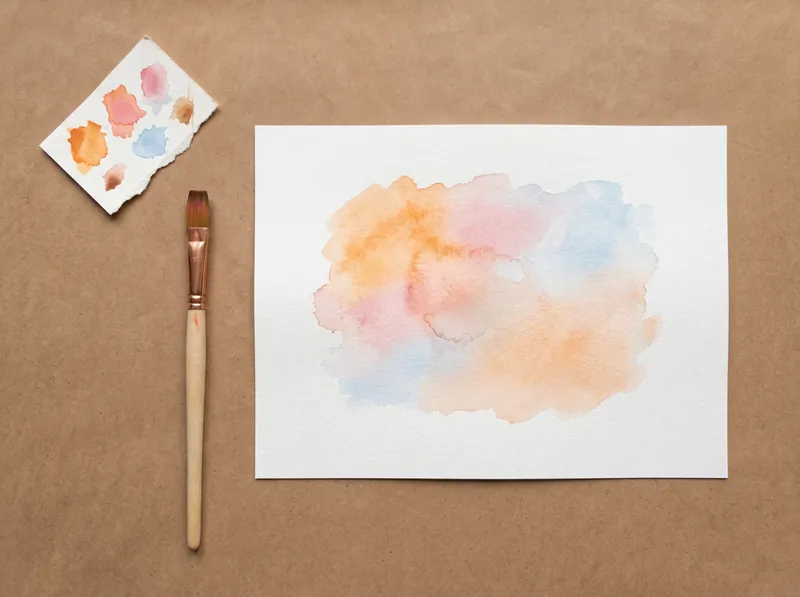
Keep the palette to three or four colors. Older kids can play warm against cool or fade the horizon for depth.
Related tutorial: Watercolor Painting Outdoors
Leaf Printing Study
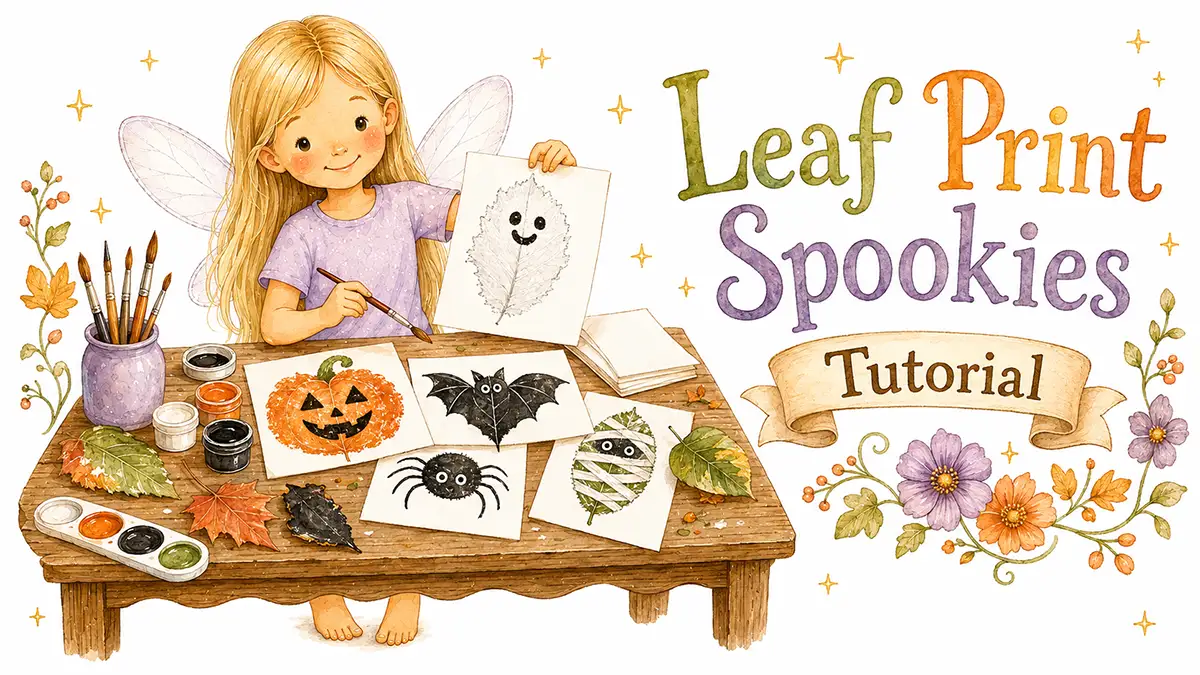
Print a few different leaf shapes with paint, then arrange the prints as a pattern, a labeled collection, or one big shared piece for the fridge.
- Ages: 6-11
- Active time: 30-45 minutes
- Materials: Leaves, tempera paint, rollers or brushes, paper
- Mess level: Medium
- Best for: Nature study and crafting side by side
- Why kids enjoy it: The print picks up texture and shape more clearly than a quick drawing ever could.
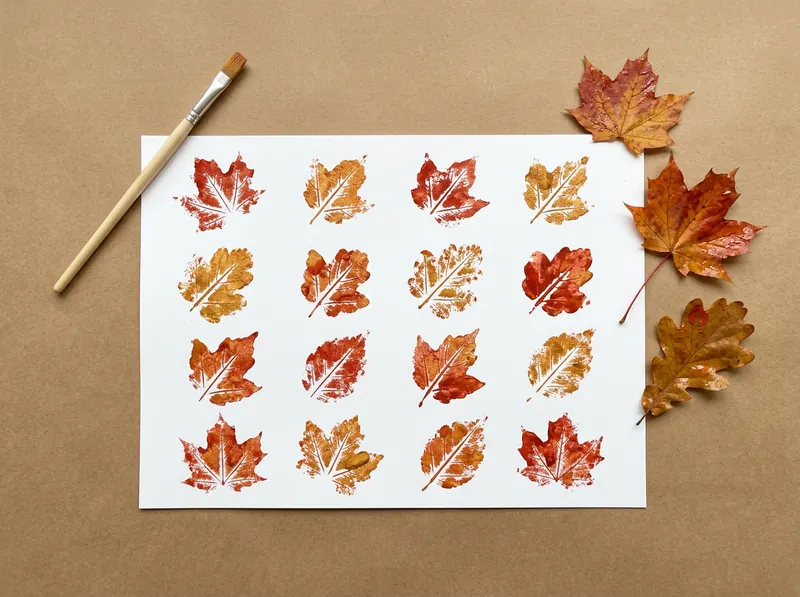
Compare veins, edges, and sizes between leaves. One large sheet makes a family mural everyone can add to.
Related tutorial: Leaf Printing and Nature Stamping
Acorn and Pinecone Fall Mobile
Collect twigs, acorns, and pinecones on a walk, then hang the treasures from a stick with yarn so the whole walk turns into something you can hang up.
- Ages: 6-11
- Active time: 45 minutes plus the walk
- Materials: A sturdy twig, yarn or string, acorns, pinecones, seed pods
- Mess level: Low
- Best for: Turning a nature walk into decor
- Why kids enjoy it: Pocket treasures stop being clutter and become a decoration that actually moves.
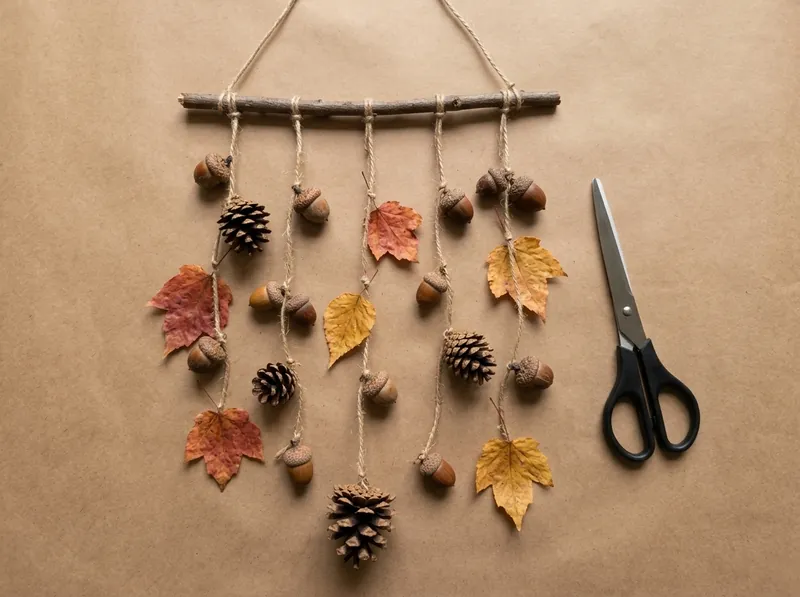
An adult ties the hanging loop and helps balance the ends. Older kids can thread beads between the finds or trade pieces around until it hangs level.
Related tutorial: Driftwood Mobiles
Patterned Pumpkin Drawing
Divide a pumpkin drawing into sections and fill each one with lines, dots, checks, leaves, or invented patterns.
- Ages: 6-12
- Active time: 35 minutes
- Materials: Drawing paper, black markers, colored pencils
- Mess level: Low
- Best for: Low-mess afternoons and focused drawing
- Why kids enjoy it: The simple pumpkin shape leaves room for big pattern decisions.
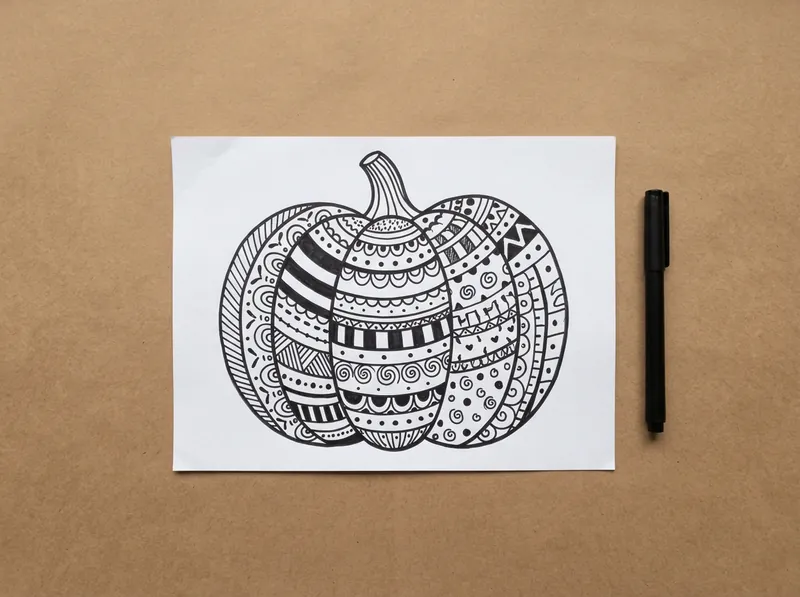
Show how a pattern repeats, then step back. Older kids can play thick lines against thin ones for contrast.
Painted Wood Slice Coasters
Paint small wood slices with fall designs, let them dry, and seal them so the family actually uses them all season.
- Ages: 6-11
- Active time: 40 minutes plus drying
- Materials: Wood slices, acrylic or tempera paint, brushes, sealer
- Mess level: Medium
- Best for: A craft that gets used, not just displayed
- Why kids enjoy it: Their coaster lands on the table every single day, and the pride lasts long after the paint dries.
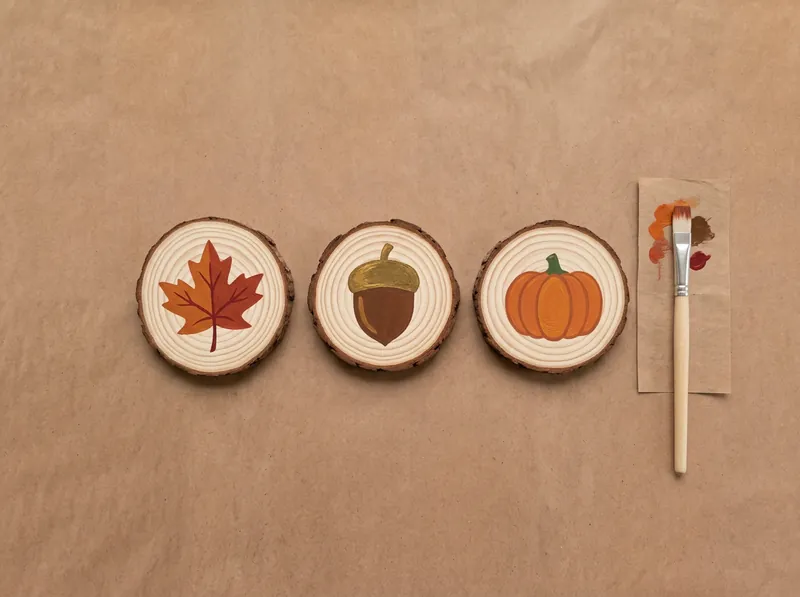
An adult applies the sealer somewhere ventilated. Older kids can plan a matching set around one theme.
Natural Dye Swatch Book
Dye small fabric swatches with safe kitchen dye materials, then label each sample with what made the color and how long it soaked.
- Ages: 8-12 with adult help
- Active time: 60 minutes plus soaking
- Materials: Cotton swatches, safe dye materials, labels, notebook
- Mess level: Medium to high
- Best for: Kids who like a little science with their art
- Why kids enjoy it: A real material changes color right in front of them, and the little book proves it.
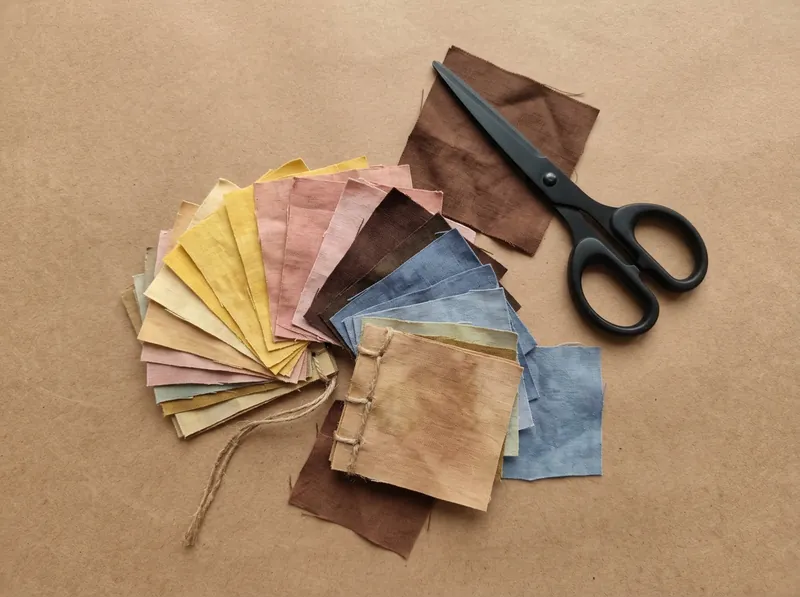
Adults manage the heat and the dye baths. Kids predict the colors, record what happens, and assemble the samples into a book.
Related tutorial: Natural Dyeing and Tie Dye
Observational Leaf Drawing
Choose one leaf and draw its outline, veins, spots, torn edges, and color changes as carefully as possible.
- Ages: 7-12
- Active time: 30 minutes
- Materials: Leaves, drawing paper, pencils, colored pencils
- Mess level: Low
- Best for: Quiet focus on a loud day
- Why kids enjoy it: One real leaf holds enough detail to reward genuinely careful looking.
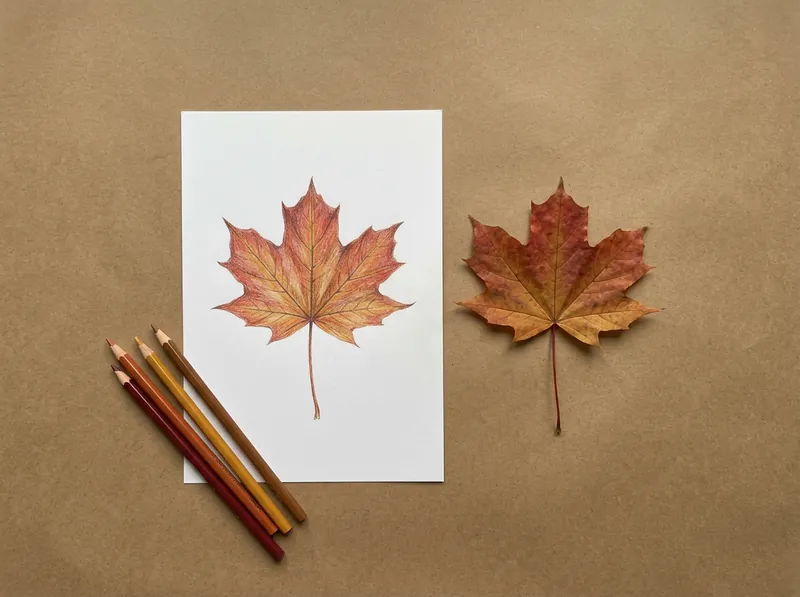
Start with the outline before any color goes down. Older kids can flip the leaf and add the underside as a second view.
Fall Color Wheel
Mix primary colors into a color wheel built from acorn, pumpkin, or leaf shapes instead of plain circles.
- Ages: 7-11
- Active time: 40 minutes
- Materials: Paint, paper, brushes, pencil
- Mess level: Medium
- Best for: Sneaking a real color lesson into fall fun
- Why kids enjoy it: Mixing orange out of red and yellow feels like a magic trick the first time it works.
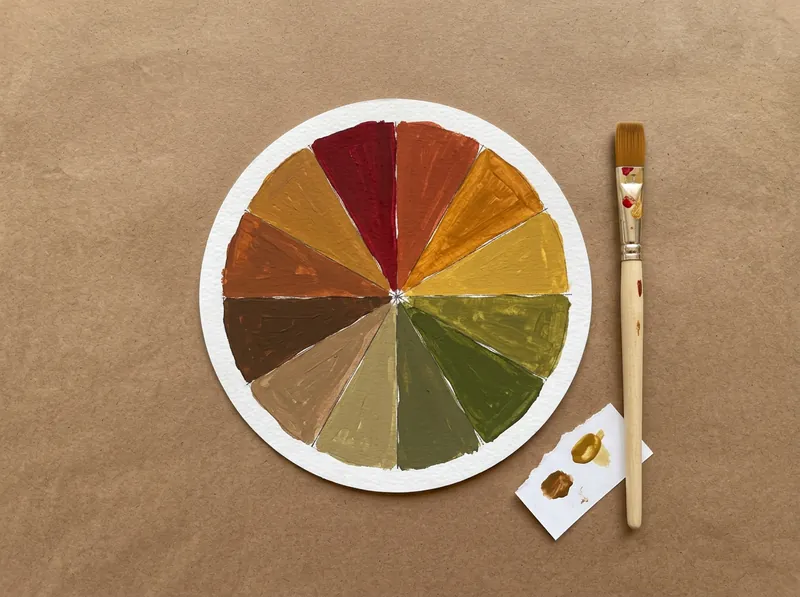
Let kids mix the secondary colors themselves. Older kids can add tints, shades, or complementary pairs.
Nature Weaving Panel
Build a small twig loom and weave yarn, grasses, leaves, and paper strips through the warp.
- Ages: 7-12
- Active time: 45 minutes
- Materials: Twigs, yarn, grasses, leaves, paper strips
- Mess level: Low
- Best for: Fine-motor work with natural materials
- Why kids enjoy it: The over-under rhythm is soothing, and the finished panel feels good in the hands.
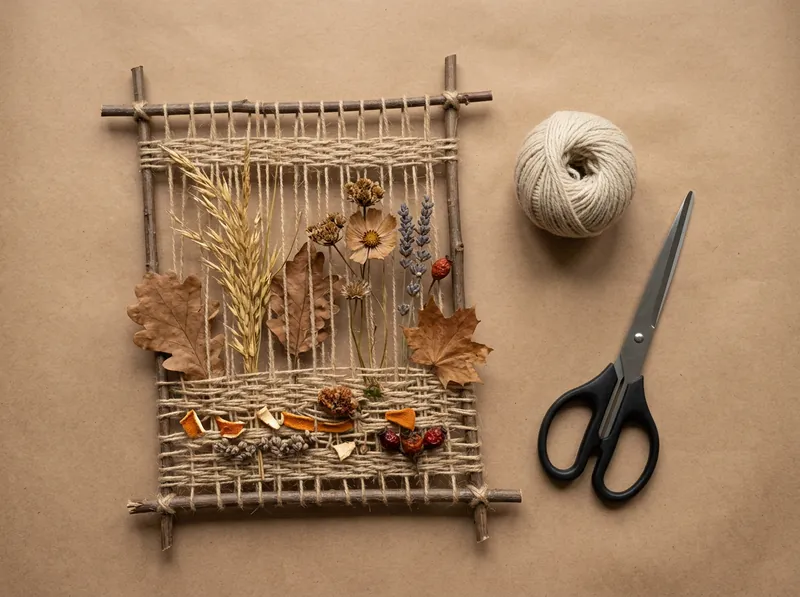
Tie the frame together ahead of time for younger kids. Older kids can plan color blocks and leave gaps on purpose.
Related tutorial: Nature Weaving
Knitted Pumpkin Harvest Decor
Finger-knit or beginner-knit a chunky rectangle, seam it into a tube, cinch the ends, and stuff a little pumpkin for the fall shelf.
- Ages: 8-12, finger-knitting version from about 7
- Active time: 60 minutes, split over an evening or two
- Materials: Chunky yarn in pumpkin colors, stuffing, yarn needle, a twig for the stem
- Mess level: Low
- Best for: Quiet evenings and harvest decorating
- Why kids enjoy it: Their pumpkin sits on the mantel with the grown-up decorations, and they made it.
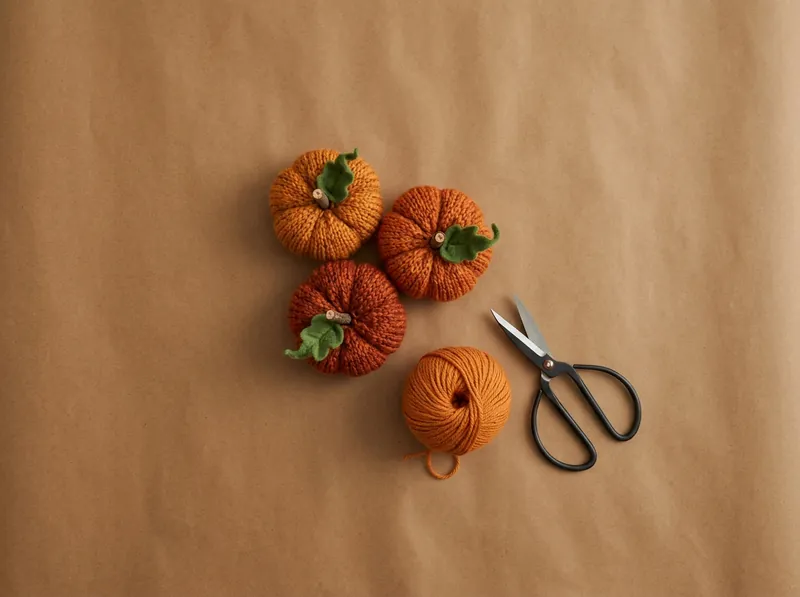
Finger-knitting skips the needles entirely for younger kids. A cinnamon stick stem makes the whole shelf smell like fall.
Mixed-Media Fall Tree
Combine painted paper, torn tissue, yarn, and drawing to build one tree with as many textures as you can find in the house.
- Ages: 6-11
- Active time: 45 minutes
- Materials: Heavy paper, paint, tissue, yarn, glue
- Mess level: Medium
- Best for: Texture, glue, and gloriously full trays
- Why kids enjoy it: They decide which material makes the best trunk, branches, leaves, and ground.
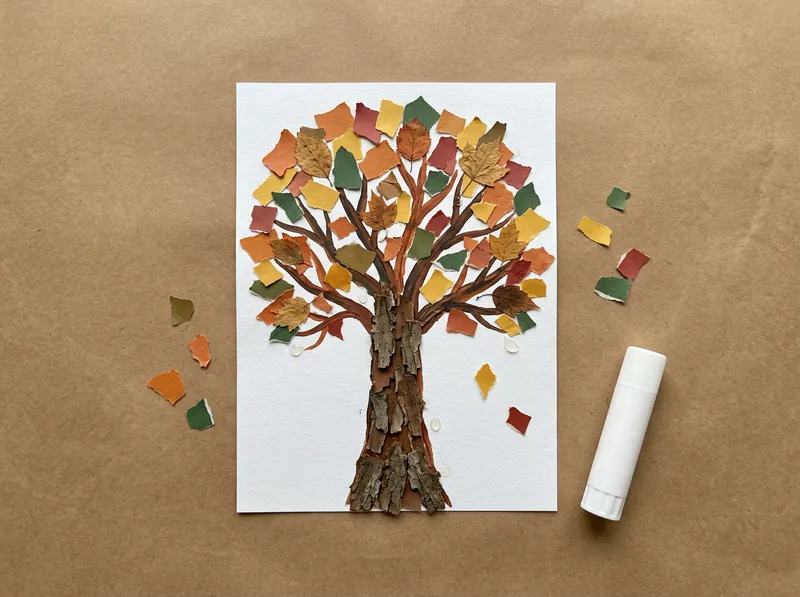
Keep the materials to one small tray or the table disappears. Older kids can plan a foreground and background.
Beginner Wood Burning for Older Kids
With a low-temperature wood burning tool and an adult within arm’s reach, older kids trace a simple fall design onto a wood slice and burn the line slowly.
- Ages: 10-12, adult supervision the whole time
- Active time: 45 minutes
- Materials: Low-temp wood burning tool, wood slices or basswood, pencil, sandpaper
- Mess level: Low, but the tool is hot
- Best for: Older kids ready for a grown-up feeling craft
- Why kids enjoy it: The tool asks for real care, and the finished piece feels serious in a way paper sometimes doesn’t.
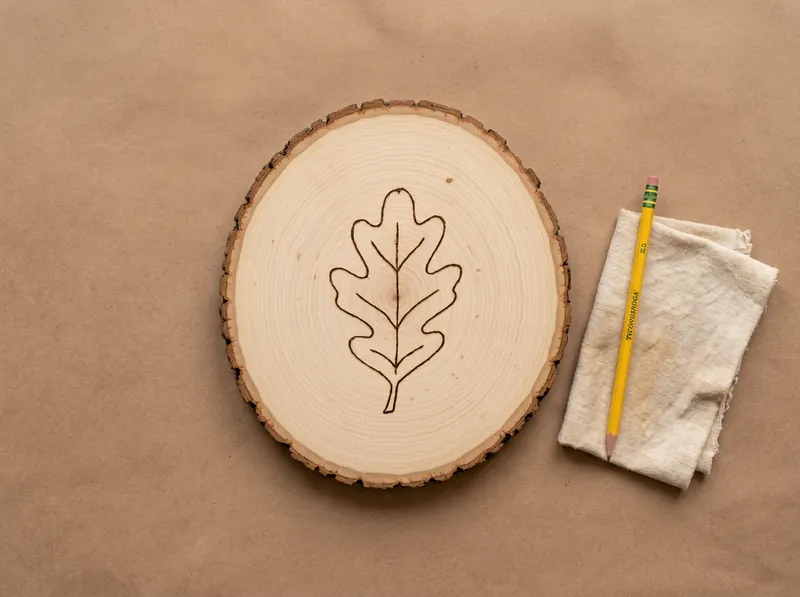
Sketch the design in pencil and practice one line on scrap first. The adult handles plugging in and unplugging, and the tip stays hot for several minutes after.
A Few Things That Make 12 Fall Art Projects for Elementary Students Easier
- Set everything out on one tray before you announce the craft. The wait for supplies is where the wheels come off.
- Show one finished sample to explain the idea, then put it away so nobody copies it line for line.
- On wild days, fewer colors means a calmer table and a faster cleanup.
- Decide where wet projects will dry before the paint comes out, and write names on the back first if you have more than one artist.
- Photograph nature arrangements before the materials go back outside.
Safety Notes for 12 Fall Art Projects for Elementary Students
- Adults handle hot water, dye baths, the wood burning tool, and hot glue.
- Skip unknown plants and anything gathered from treated lawns.
- Stick to washable, non-toxic paints and glues.
- Keep drying projects out of walkways and away from curious pets.
- Go over scissor and tool rules before the supplies come out.
Final Thoughts
Fall art does not need to become a row of identical orange trees. The season already supplies the variation in color, texture, and shape.
Give kids one technique to explore, then leave enough space for the work to look like it belongs to the person who made it.
The Fall Craft Shelf
Tempera paint, watercolor paper, brushes, glue, and child-safe scissors cover most of this list. Add wood slices, chunky yarn, or the wood burning tool only for the projects that use them, and let collected leaves and the recycling bin supply the rest.
Get the free Fairy Marketplace Craft Book
14 beautiful one-page craft tutorials, from nature weaving to cardboard box towns. Plus our favorite new craft ideas and free printables a few times a season.
No spam, ever. Unsubscribe any time.
Check your inbox! Your craft book is on the way. (Give it a few minutes, and peek in the spam folder just in case.)